
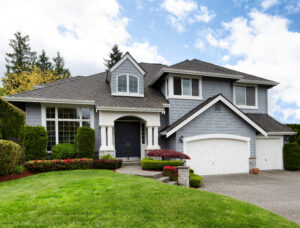
A home or building does more than provide shelter; it should also deliver consistent comfort, durability, and energy efficiency. At the heart of all three is the building envelope, the interconnected system of materials that separate the indoors from the outdoors. From insulation to air barriers to exterior cladding, every component works together to control heat flow, moisture movement, and airflow.
In recent years, tighter building envelopes have become a priority for homeowners, builders, and designers seeking better performance. With improved materials and modern installation techniques, today’s buildings can achieve higher energy savings, better indoor comfort, and long-term protection against environmental stress.
What Is a Building Envelope?
The building envelope includes the walls, roof, foundation, windows, and doors, all functioning as a protective skin. A high-performing envelope regulates indoor temperature, prevents drafts, manages moisture, and minimizes the strain on heating and cooling systems.
When the envelope is too loose, conditioned air escapes, outdoor air infiltrates, and moisture finds its way into assemblies. A tighter building envelope solves these issues by controlling the flow of air and creating a more resilient and predictable indoor environment.
Why a Tighter Envelope Matters
A tighter building envelope delivers benefits that impact both everyday comfort and long-term building performance:
- Improved Energy Efficiency: Reducing air leaks means HVAC systems don’t have to work as hard, lowering energy consumption and monthly utility costs. Even small gaps around windows, doors, or cladding can significantly impact efficiency.
- Enhanced Indoor Comfort: Draft-free rooms stay warmer in winter and cooler in summer. Temperatures remain more consistent, and humidity levels are easier to manage.
- Better Moisture Control” Moisture is one of the greatest threats to a building’s structure. A tight envelope helps keep water out while allowing controlled vapor movement to reduce the risk of mold, rot, and material degradation.
- Longer Building Lifespan: By minimizing thermal stress and preventing moisture-related damage, a properly sealed and insulated building envelope helps components last longer and perform better over time.
- Healthier Indoor Air Quality: Fewer gaps mean fewer pathways for dust, pollen, exhaust, and outdoor pollutants to enter.
Key Strategies for Tightening a Building Envelope
Achieving a high-performance envelope requires careful attention to detail and the right material choices. This includes:
- Effective air barriers to prevent uncontrolled airflow.
- High-quality water-resistant barriers to block moisture intrusion.
- Proper insulation installation to avoid thermal bridging.
- Well-sealed windows and doors to reduce air leakage.
- Durable exterior cladding systems to shield against weather exposure.
Together, these components create a balanced approach that enhances comfort, efficiency, and structural integrity.
Work With Core Building Solutions for Better Building Performance
At Core Building Solutions, we specialize in delivering high-performance building envelopes backed by decades of real-world installation experience. We help homeowners, builders, and property managers choose the right materials and systems for long-lasting energy efficiency and moisture protection. To learn more about the importance of smart envelope design, explore our guide on Water-Resistant Barriers for Building Envelope Design.

Leave a Reply