
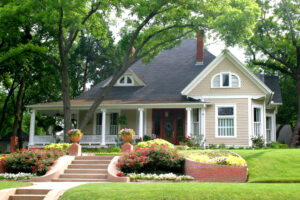
Choosing the right exterior wall cladding is one of the most important decisions homeowners and property owners can make. Cladding defines a building’s appearance, protects it from the elements, and plays a major role in long-term durability. For those evaluating exterior cladding in Horsham, understanding how performance, climate, and material selection work together is essential to making a smart investment.
Why Exterior Cladding Matters
Exterior cladding serves as the first line of defense against weather exposure. Rain, wind, temperature changes, and UV rays constantly impact a building’s exterior. The right cladding system helps manage moisture, reduces energy loss, and protects the underlying structure from premature deterioration. Beyond protection, cladding also influences curb appeal, property value, and maintenance requirements.
Key Factors to Consider When Choosing Exterior Cladding
There are a lot of options when it comes time to choose exterior cladding for your home or building. It’s important to take into consideration a few key factors to ensure you install a product that works for your property exterior:
- Climate and Environmental Exposure: Horsham experiences seasonal temperature shifts, rain, and humidity, all of which can affect cladding performance. Materials should be selected based on their ability to resist moisture absorption, thermal movement, and weather-related wear over time.
- Moisture Management: One of the most critical considerations is how the cladding works with the building envelope to manage moisture. Cladding should be part of a system that includes proper drainage, ventilation, and water-resistant barriers. Without effective moisture control, even durable materials can fail.
- Durability and Longevity: Different materials offer different lifespans. High-performance cladding options are engineered to resist fading, warping, cracking, and impact damage. While some materials may cost more upfront, they often provide better long-term value through reduced maintenance and replacement costs.
- Maintenance Requirements: Some cladding systems require regular sealing, painting, or cleaning, while others are designed for low maintenance. Understanding the long-term upkeep involved helps homeowners avoid unexpected costs and time commitments.
- Energy Efficiency: Exterior cladding can contribute to improved insulation and thermal performance when properly installed. Systems that reduce thermal bridging and support airflow management help maintain consistent indoor temperatures and reduce energy bills.
- Design and Aesthetic Flexibility: Cladding should complement the architectural style of the home or building. Modern exterior cladding options offer a wide range of colors, textures, and panel formats, allowing property owners to balance performance with visual appeal.
The Importance of System Design and Installation
Selecting the right cladding material is only part of the equation. Performance depends heavily on proper installation and integration with the rest of the building envelope. Flashing details, air barriers, water-resistant barriers, and ventilation gaps all play a role in ensuring the cladding performs as intended. Poor installation can compromise even the best materials.
Exterior Cladding Expertise You Can Trust in Horsham
At Core Building Solutions, we specialize in exterior building envelope systems, not just cladding products. With decades of experience installing and remediating all exterior cladding types, we understand how to design systems that are durable, waterproof, and built to last. Our team evaluates each project based on climate conditions, structure, and long-term performance goals to deliver solutions that protect your investment.
If you’re considering exterior cladding in Horsham, trust Core Building Solutions to guide you through material selection, system design, and expert installation for lasting results.

Leave a Reply