
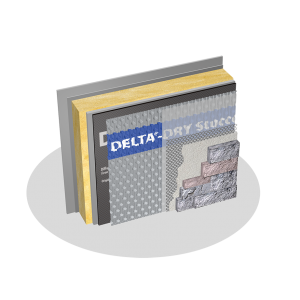
Effective moisture management is central to building performance and longevity. Rain, humidity, and condensation can infiltrate a building’s envelope, damaging the structure, fostering mold growth, and increasing maintenance costs. Traditional water-resistive barriers (WRBs) alone are often not enough to fully protect exterior walls. That’s where rainscreens come into play.
Why Moisture Management Matters
Moisture is one of the leading causes of building failures. It can penetrate wall systems, become trapped, and cause condensation, leading to structural decay, compromised indoor air quality, and expensive repairs. Strategies that control, drain, and dry moisture are essential to creating resilient buildings.
What Is a Rainscreen — And How Does It Manage Moisture?
A rainscreen is a cladding system that creates a deliberate gap, typically a cavity, between the outer cladding and the moisture-resistant barrier (WRB) on the sheathing. This configuration serves two critical functions:
- Drainage: Any water that penetrates the outer layer drains down and out through the cavity rather than reaching the building’s structure.
- Ventilation: Air circulates naturally through the gap, drying residual moisture and preventing accumulation that could fuel mold or rot.
Rainscreens dramatically reduce moisture-related damage while maintaining building envelope health. A well-designed rainscreen system creates a continuous drainage and ventilation plane behind the exterior cladding. This plane allows water to escape quickly while permitting airflow to aid drying. The design also helps preserve the performance of underlying insulation by keeping it dry, which in turn supports energy efficiency. Proper integration with flashing, vents, and sealants ensures that water is directed away from the structure at every penetration and transition point. When installed correctly, rainscreens add a critical layer of defense that extends the lifespan of the entire building envelope.
Key Benefits of Rainscreen Systems
- Superior Moisture Management – The ventilated cavity allows moisture to drain and evaporate efficiently, protecting against mold, wood rot, and structural decay.
- Enhanced Durability & Lower Maintenance – By shielding the wall assembly, rainscreens reduce wear, surface cracking, and degradation—lowering long-term maintenance costs.
- Improved Energy Efficiency – The air gap acts as a thermal buffer, reducing heat transfer, minimizing thermal bridging, and helping regulate interior temperatures. Dry insulation performs better, translating into energy savings.
- Code Compliance & Building Resilience – Modern building codes increasingly recognize rainscreens as an effective moisture control strategy. Especially in demanding climates, rainscreens improve overall envelope performance and help meet evolving standards.
- Architectural Flexibility – Rainscreens accommodate a wide variety of cladding materials from metal and stone to wood and stucco without compromising functionality or aesthetics.
Your Partner in Moisture Management and Durability
At Core Building Solutions, our expertise isn’t just in the materials—we’re seasoned specialists in full envelope design, installation, and remediation. We know how to integrate rainscreen systems that optimize moisture management, energy performance, and structural integrity.
To learn more about how a complete moisture management system can safeguard your next project, visit our dedicated page on Moisture Management Systems. Let us help you protect your building now so it lasts for decades to come!

Leave a Reply